Greenwood County is the southern anchor of the Upstate and it runs on a different clock than the I-85 counties. There's a real city with real industry, a university, a regional hospital, and a lake that fills up with retirees every year. There's also a county government that actually zones, which is rarer up here than you'd think. Between all of that is a lot of farm and timber country that's still priced like farm and timber country. If you own land here, the question isn't whether the builders are coming; it's which of the county's three or four separate markets your parcel belongs to.
What the land is like here
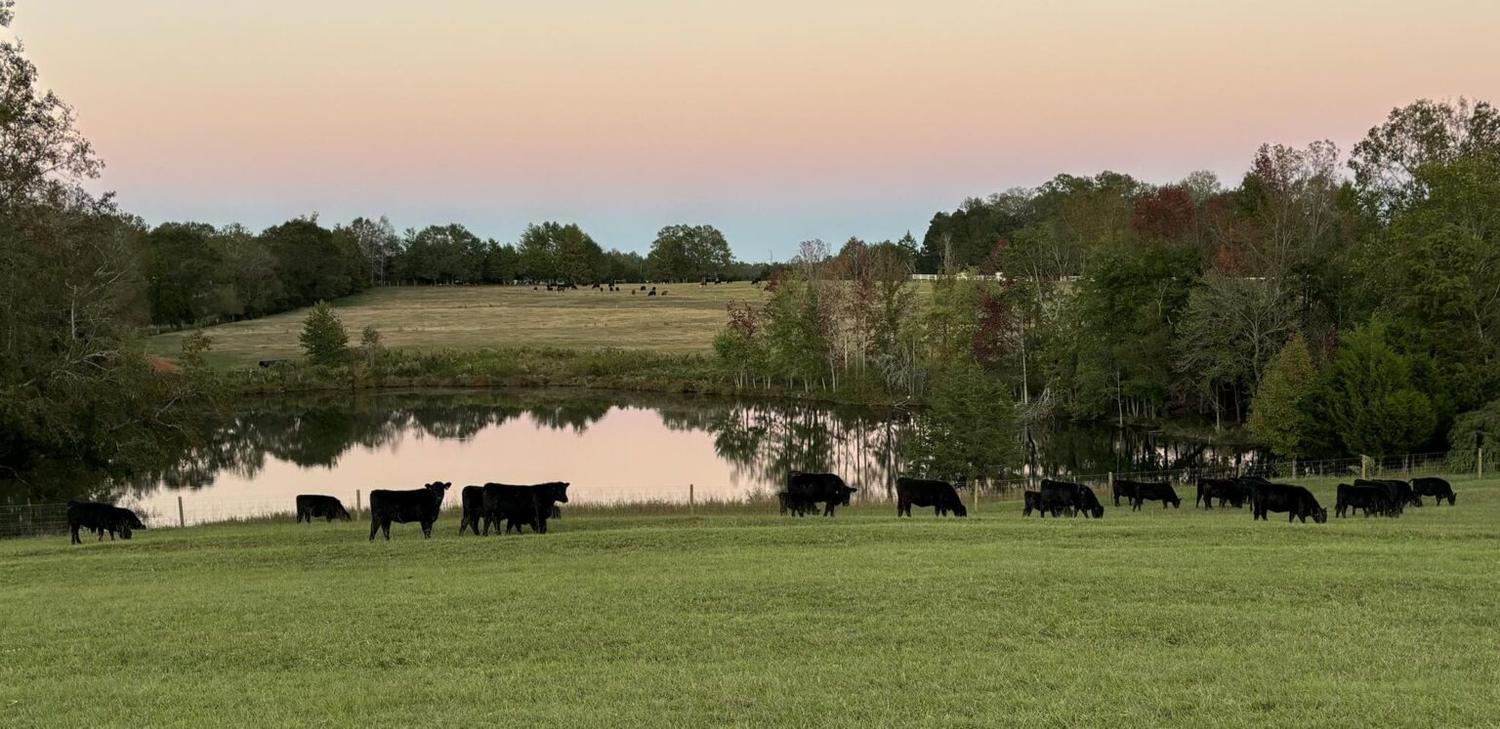
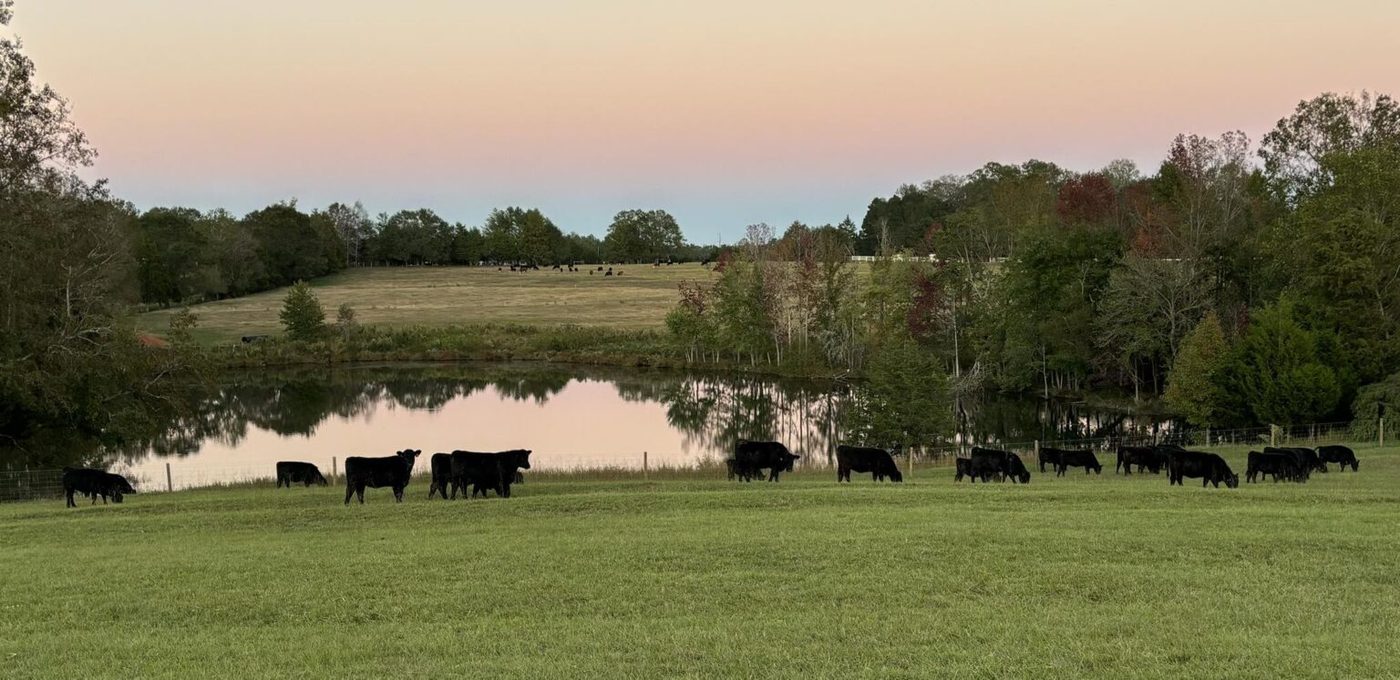
Greenwood County is Piedmont rolling into the sandhills' edge: pasture and hay ground, big planted-pine tracts, hardwood bottoms along the Saluda, Long Cane Creek and the Little River. The soils are Upstate clay on the north and east, sandier and better-draining toward the south and west, and more of the county is workable than in the mountain counties. It's cattle, timber, and the ghosts of cotton, with Greenwood's mills and industrial parks in the middle.
Lake Greenwood, a Saluda River reservoir shared with Laurens County, runs along the northeastern edge with Ninety Six as its town. That's the county's growth engine and its own separate market. The city of Greenwood, with Lander University and Self Regional Healthcare, anchors the center; Ware Shoals and Hodges sit on the north end along the Saluda; Bradley, Troy and Kirksey are the quiet south end toward the Long Cane forest and the McCormick County line.
Greenwood County zones, county-wide. A project that fits the district on a parcel builds by right, no hearing; a project that doesn't needs a rezoning, and that's public. That makes the zoning map the first thing we read on any tract here, because it tells you both what you can do and how hard the neighbors can make it.
Zoning that actually zones
Most of the Upstate's rural counties regulate land loosely, if at all. Greenwood County has a county-wide zoning ordinance and a Planning Department that reviews rezonings and subdivisions. The practical rule: if a proposed use conforms to the current district, it proceeds by right, with no Planning Commission or County Council vote. If it needs a rezoning, it goes through public review, and in a county where recent projects near Ninety Six and the lake drew real public concern, that's not a formality. Every subdivision, by-right or not, has to meet county standards for roads, drainage, utilities and access, and the county inspects road construction in phases. The developer pays for all of it inside the project; existing taxpayers don't.
Inside the City of Greenwood, Ninety Six, Ware Shoals and Hodges, city zoning applies. The county's Comprehensive Plan 2035 and the 2018 Lake Greenwood Master Plan, a joint effort with Laurens County, are the planning documents that shape where growth is steered.
What that means for a seller
- Know your district before you know your price. A parcel already zoned for what a buyer wants is worth more than one that needs a rezoning, sometimes by a lot.
- By-right is a selling point. A builder who can skip the hearing pays for that certainty.
- Near the lake, expect an audience. Rezonings around Ninety Six and Lake Greenwood get attention. Price and plan accordingly.
Sewer, septic and the perc test
Water and sewer around Greenwood come from the Greenwood Commissioners of Public Works, and the water side has room: CPW's treatment plant is permitted for 33 million gallons a day and runs at about 10. CPW's general manager has said it's very unlikely residential growth will strain water or gas. Sewer, handled by CPW and Greenwood Metro, reaches less far than water does, and the county has been replacing the Ninety Six wastewater plant to keep up with the lake side. Off the sewer lines, which is most of the county's acreage, it's septic.
The lot count on a septic parcel is set by the South Carolina Department of Environmental Services' site evaluation (the agency that took over from DHEC in 2024), not by acreage. Greenwood County's soils are better than the Upstate average, especially south and west where they sand out, but a soil evaluation before you list or buy is still the cheapest insurance in land.
In Greenwood County, three questions before price: what district, how far to CPW sewer, and how close to the lake. Those put the parcel in one of the county's markets. Then we underwrite the dirt.
Where the growth is heading
Greenwood County's growth is retirees, industry and the lake, more than young families. The school district's enrollment has fallen over the past decade even as the county's economy has grown, and county officials describe recent movement as people relocating within Greenwood rather than flooding into it. That shapes what sells. Here's how we read it:
- Lake Greenwood and Ninety Six. The most active market in the county. Retirees, second homes, lake lots and estate parcels; the projects that drew public concern were here. Waterfront is priced on the water; inland tracts nearby ride along.
- The corridors out of Greenwood: Highway 72, Highway 25, Highway 34 and the bypass. Industrial recruitment and job growth, with residential following the sewer lines. Sewered ground with frontage near the city is the builder market, such as it is.
- Highway 72 toward Abbeville and Highway 25 toward Ware Shoals. Commuter and mini-farm demand, still affordable.
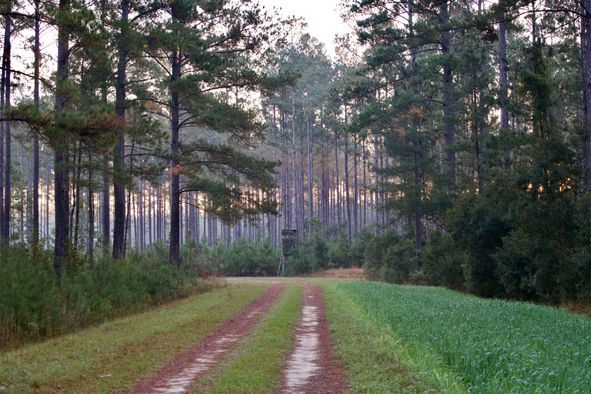
- The south end: Bradley, Troy, Kirksey, the Long Cane side. Farm, timber and hunting country, priced for people who want it to stay that way, and the place patient landowners and patient buyers meet.
What acreage is actually worth here
A per-acre average for Greenwood County puts a Lake Greenwood lot and a Bradley timber tract in the same number and tells you nothing about either. What we can tell you is the shape of the market as we see it walking it in 2026:
Where your land falls between those depends on district, sewer distance, lake proximity, perc, frontage, slope, floodplain, restrictions, timber and which buyer pool it truly belongs to. That's the underwriting we do before we list.
Selling land in Greenwood County
Most land listings here get a per-acre comp, six phone photos and a sign at the road. Ours don't, because we do the buyer's homework first:
- We walk it. Fence lines, creek bottoms, timber stands, the lake view from the back corner nobody photographed. The things a desk agent never sees are where the value hides.
- We underwrite it. Zoning district and by-right status, CPW reach, soils, floodplain, restrictions, lake rules, and what a builder's or a retiree's number would be. The same file they'd build.
- We show it. Drone film, mapping and a story-first listing. A lake tract sells from the air; a farm sells at sunrise.
- We match it. Builders and investors we already talk to for the corridor ground; retirees, farmers, homesteaders and hunters for the land that should stay land.
Buying land in Greenwood County
Before you close on acreage here, know: what zoning district the parcel is in and whether your plan is by-right or needs a rezoning; how far the nearest CPW or Metro sewer main is; what a soil evaluation says; what's in the floodplain along the Saluda, Long Cane Creek or the Little River; whether the road frontage and the deeded access are the same thing; what easements, covenants or timber deeds ride with the title; and, on Lake Greenwood, exactly what the shoreline rules and the master plan allow. We check all of it, including on off-market parcels we source for builders, lake buyers and investors.
Towns and communities we cover
Greenwood, Ninety Six, Ware Shoals, Hodges, Bradley, Troy, Kirksey, Coronaca, Cokesbury, Shoals Junction and the rest of the county. Town-level notes are on the way; the chat button already knows all of them.