Union County is the Upstate's timber county, and it doesn't pretend to be anything else. It's the smallest of the ten by population, the Sumter National Forest covers a big share of it, the Broad and the Tyger run through it, and the land is priced like the growth hasn't arrived, because it hasn't. That's not a problem. It's the reason a hunter, a timber investor or a family who wants two hundred acres for what twenty costs in Greenville should be looking here, and the reason a landowner here should know exactly what they're sitting on before they sell it.
What the land is like here
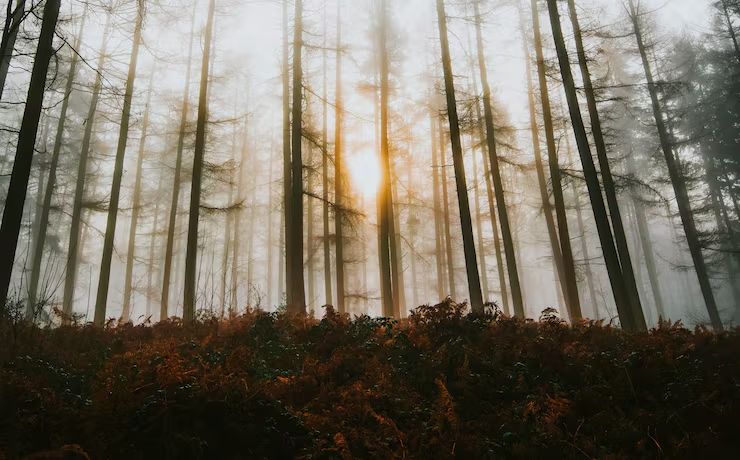
Union County is Piedmont hardwood and pine, more of it in trees than in any other Upstate county. The Enoree Ranger District of the Sumter National Forest sprawls across the southern and western parts of the county, and private tracts that border it are worth more for the company they keep. The rest is timber company ground, family farms that went back to woods a generation ago, cattle and hay bottoms along the creeks, and the two big rivers: the Broad forming the eastern line and the Tyger cutting through the middle, with the Pacolet and Enoree on the edges.
Terrain is rolling, not steep, with real creek bottoms and river terraces where the soil is good, and ridges of the usual red clay. Rose Hill and Musgrove Mill state historic sites, John D. Long Lake and the river access points pull a recreation buyer. The city of Union sits in the middle with Jonesville, Buffalo, Lockhart and Carlisle around it, all small, all quiet, all a long way from a subdivision.
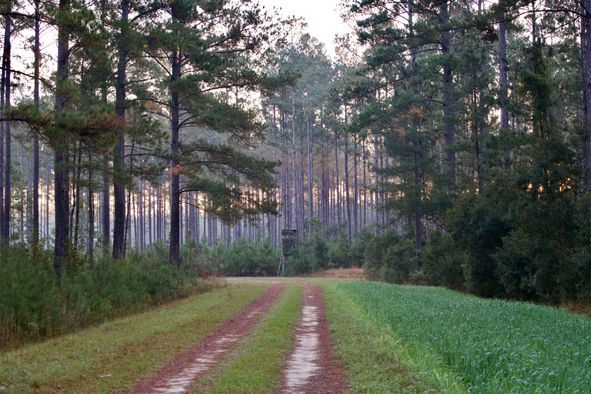
In Union County the timber is often worth as much as the dirt. A cutover tract and a tract with thirty years of pine on it can look the same on a plat and be worth twice as much as each other on the ground. We cruise the timber before we price the land, and we've seen too many Union County sales where nobody did.
Light rules, and why that matters
Union County's land rules are among the lightest in the Upstate. The City of Union has zoning; outside it, the county's building and subdivision standards apply, but there's no county-wide use-based zoning map to speak of, and what you can do with a rural tract comes down to state law, the soil and whatever restrictions are in the deed. We confirm the current rules with the county for every parcel before we talk numbers, because light rules are the kind that change when growth finally shows up.
For a seller, that openness is an asset: the buyer pool is anyone with a use in mind, and there are no entitlement hurdles to price in. For a buyer it's the reverse of a zoned county: the protection for your land is what you put in the deed and what the national forest next door guarantees, not a county map.
What that means for a seller
- Price the trees separately. A timber cruise is cheap and it's the single biggest value question on most Union County tracts.
- Sell the neighbors. National forest adjacency, river frontage and hunting history are the selling points, not lot yield.
- Know your buyer. Timber investors, hunt clubs, river buyers and big-acreage families each pay for different things. We market to the right one.
Sewer, septic and the perc test
Sewer in Union County means the City of Union and a couple of small town systems, and it stops at their edges. Almost everything else is septic, and for a single homesite or a hunting cabin on a big tract that rarely matters. Where it matters is on a split: the lot count is set by the South Carolina Department of Environmental Services' site evaluation (the agency that took over from DHEC in 2024), not by acreage, and Union County's Piedmont clay behaves like the rest of the Upstate's, workable in the bottoms and better ridges, tight elsewhere. A soil evaluation before you list or buy is the cheapest insurance in land.
In Union County, three questions before price: what's the timber worth, what does it border, and what's the water. Acreage matters, but a 100-acre tract on the Tyger with mature hardwood and the national forest across the line is a different animal from 100 acres of cutover with a landlocked deed.
Where the demand is coming from
Union County isn't a growth market yet, and we'd rather say that plainly than sell you a corridor that doesn't exist. What it has is steady demand from buyers who want what the growth counties can't offer:
- Timber investors. Institutional and private buyers who trade Union County pine and hardwood on the numbers, and who know the ground.
- Hunters and hunt clubs. Deer and turkey country with national-forest neighbors. Tracts that hunt well sell to people who've hunted them.
- River and recreation buyers. Broad and Tyger frontage, John D. Long Lake, the state historic sites. A cabin-and-acreage market, not a subdivision one.
- Big-acreage families. People from Spartanburg and Charlotte who want 50 or 100 acres and will drive for it. Jonesville and the Highway 176 side toward Spartanburg see this first.
- Patient capital. Land that's cheap because the growth hasn't arrived, bought by people who think it will. Spartanburg County's builders are one county line away.
What acreage is actually worth here
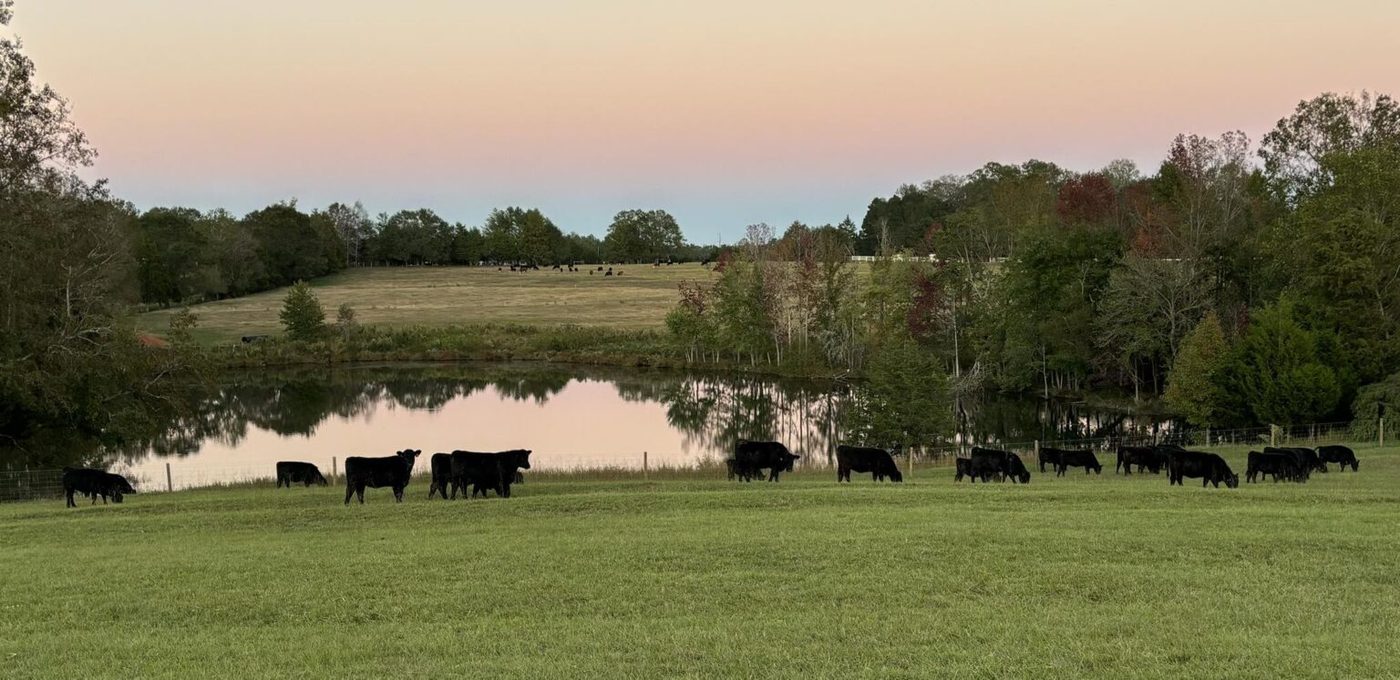
Union County has the lowest base land values of the ten Upstate counties, but the range is still wide, because the timber, the water and the neighbors move the number more than the acreage does. The shape of the market as we see it walking it in 2026:
Where your land falls between those depends on timber, access, water, what it borders, soils, floodplain, restrictions and which buyer pool it truly belongs to. That's the underwriting we do before we list.
Selling land in Union County
Most land listings here get a per-acre comp, six phone photos and a sign at the road. Ours don't, because we do the buyer's homework first:
- We walk it. Timber stands, creek bottoms, food plots, old roadbeds, the property line against the national forest. On a hunting tract, that's the listing.
- We cruise it. A timber value before a price, every time the trees matter.
- We show it. Drone film, mapping and a story-first listing. A river tract sells from the air.
- We match it. Timber buyers, hunt clubs, river buyers and big-acreage families we already talk to. Union County land doesn't sell on the MLS; it sells to people who know what it is.
Buying land in Union County
Before you close on acreage here, know: what the timber is worth and whether a timber deed rides with the title; whether the deeded access matches the road you drove in on, because landlocked and easement-only tracts are common; what a soil evaluation says if you plan to split or build; what's in the floodplain along the Broad, Tyger, Pacolet or Enoree; what the tract borders, and whether that's national forest or a timber company that will clear-cut next year; and what restrictions, if any, are in the deed. We check all of it, including on off-market tracts we source for timber and recreation buyers.
Towns and communities we cover
Union, Jonesville, Buffalo, Lockhart, Carlisle, Santuc, Kelton, Cross Keys, Whitmire (Union County side) and the rest of the county. Town-level notes are on the way; the chat button already knows all of them.