
Clemson has a problem most towns would take in a heartbeat: a university that grows every year inside a city that ran out of room a while ago. The result is the most contested land in Pickens County. Eight-story student projects proposed on College Avenue draw crowds to planning meetings, national student-housing developers are building on the lake, the university keeps adding beds of its own, and every faculty family, retiree and Hartwell buyer is competing for the acreage left around Central, Highway 93 and the Seneca River. If you own land within fifteen minutes of Tillman Hall, its price is a function of that drive time more than anything else.
What the land is like here
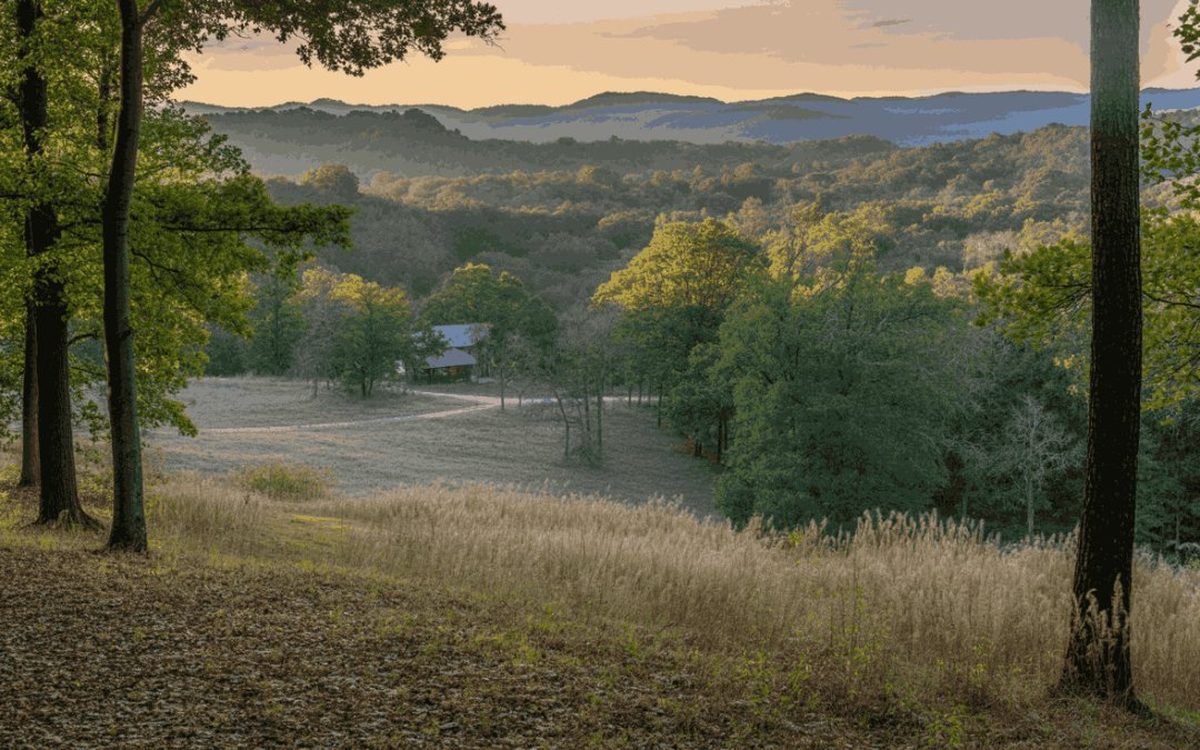
Clemson sits at the southwest corner of Pickens County where it touches Anderson and Oconee, on the shore of Lake Hartwell where the Seneca River widens into it. The campus and the city occupy the peninsula; Central sits three miles up Highway 93; the land between and around them is foothills farm country, pasture and hardwood along Eighteen Mile Creek and Twelve Mile, running up toward Six Mile and Liberty. Soils are foothills clay, workable in most places, more variable in the river bottoms toward Hartwell. The lake is a Corps of Engineers reservoir, so shoreline use is federally classified and dock eligibility drives waterfront value.
Near Clemson, land is priced by minutes to campus, and the buyer changes with the minutes. Inside a couple of miles it's student-housing developers, who pay the most and fight the hardest for zoning. Five to fifteen minutes out it's faculty, staff and retirees who want acreage. Past that it's Pickens County farm country again. The same tract is worth wildly different money depending on which ring it's in.
City zoning, town zoning, and the character areas
Inside the City of Clemson and the Town of Central, city zoning applies, and Clemson's is the most publicly contested in the county: a 2025 proposal for an eight-story, 200-unit student building on 3.7 acres at 398 College Avenue drew neighborhood opposition and planning-commission workshops over height and parking, and the city has been debating a student-housing district. Outside the two towns, land falls under Pickens County's 2024 Unified Development Standards Ordinance and its five character areas: Community Center and Gateway Corridor near the towns, stepping out to Natural Heritage (half-acre lots, 40% open space) and Agricultural Heritage (one-acre lots) toward Six Mile and Liberty. Annexation into Clemson or Central changes the rules and the value. We pull every map before we talk numbers.
Sewer, septic and the perc test
The City of Clemson and the Town of Central run their own water and sewer systems, and Easley Combined Utilities and Seneca Light & Water are close on either side. Where a municipal main reaches, a parcel is priced on lot yield or student-housing density. Beyond the systems, the lot count is set by the South Carolina Department of Environmental Services' site evaluation, not acreage. Foothills clay around Central percs in most places; the bottoms toward Hartwell and the Seneca River are more variable. A soil evaluation before you list or buy is the cheapest insurance in land.
Near Clemson, three questions before price: how many minutes to campus, can a municipal system reach it, and does it touch Hartwell. Those decide whether the buyer is a developer, a professor or a boat owner.
What's happening here
- Student housing keeps coming. Core Spaces broke ground on a waterfront student community near campus; the College Avenue eight-story proposal is one of several; the university's own Douthit Hills expansion adds on-campus beds. Every project pushes the private market outward.
- The city is pushing back. Height limits, parking, a proposed student-housing district. Entitlement near campus is slow and public, which matters if you're selling to a developer.
- Central is the release valve. Three miles up Highway 93, with its own sewer, Central takes the growth Clemson can't absorb, and land around it trades accordingly.
- Hartwell is its own market. Corps shoreline classification, dock eligibility and cove-versus-main-lake set waterfront value; inland tracts near the access points ride along.
What acreage is actually worth here
The shape of the Clemson and Central market as we see it walking it in 2026:
Selling or buying land near Clemson
If you're selling: we walk it, we measure the drive time and the utility reach, we underwrite the character area or the city zoning and what an entitlement would take, and we film it from the air so a developer, a professor or a lake buyer sees what they're paying for. Then we market it to the buyer it belongs to. If you're buying: before you close, know whether the parcel is in Clemson, Central or the county, what the character area allows, whether a municipal system can reach it, what a soil evaluation says, and, on Hartwell, exactly what the Corps' shoreline classification permits. We check all of it, including on off-market parcels we source for developers and investors.