
Seneca is the only place in Oconee County where three different kinds of buyer show up on the same day. The Clemson professor who wants ten acres fifteen minutes from campus. The retiree who wants a Keowee dock and doesn't care what the land costs. The builder who's counted the lots on a 200-acre farm on Rochester Highway and knows exactly what they're worth. Seneca is the county's growth engine, its hospital town, its lake gateway and its university suburb all at once, and the land around it is priced by which of those it's closest to.
What the land is like here
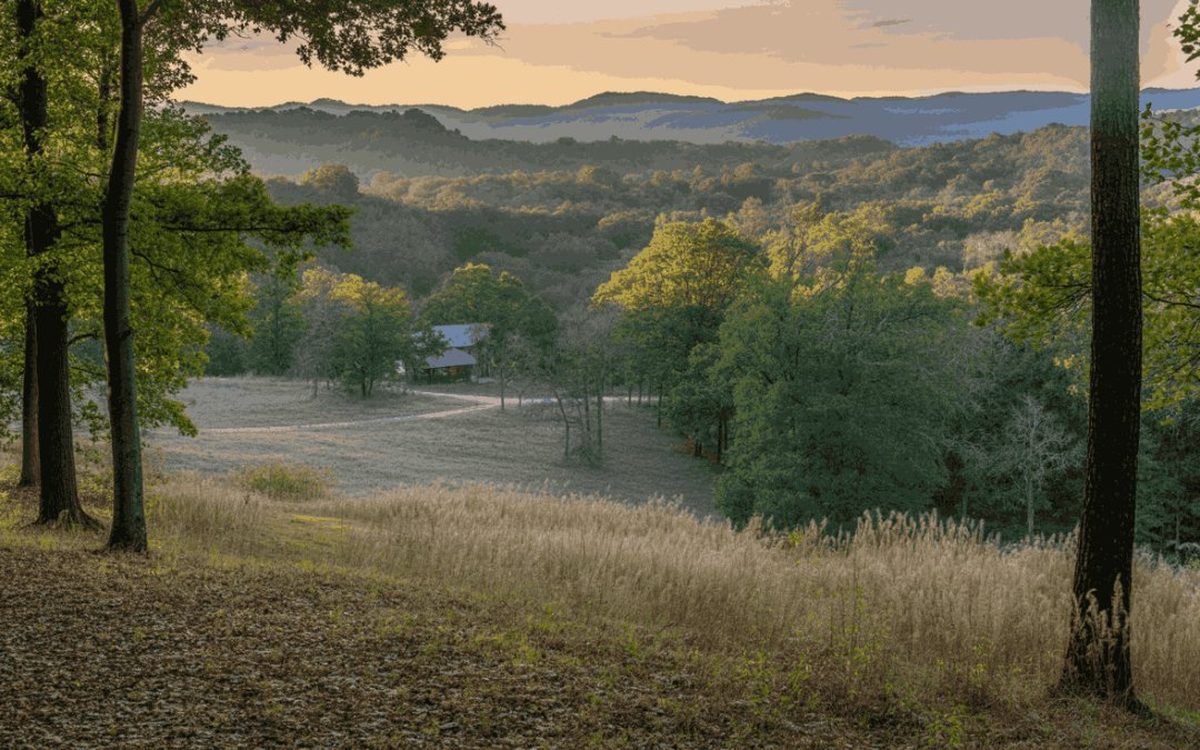
Seneca sits in the foothills of southern Oconee County, between the Keowee River and Lake Keowee to the north and east, Lake Hartwell to the south, and Clemson just across the county line on Highway 123. The ground is rolling foothills farm country: pasture, hardwood, old family tracts along Highway 28 toward Walhalla and Highway 188 toward Fair Play, creek bottoms feeding the Keowee and Little River. Soils are foothills clay, workable in most places, thinner toward the lake bluffs and the mountains. Rochester Highway (Highway 130) north of town is the corridor to Keowee, and it's where the biggest tracts are trading.
In 2023 four subdivisions totaling 746 acres and 1,894 lots were proposed along Rochester Highway on the Keowee River side, hundreds of them waterfront, on land zoned Control Free. That's the scale Seneca is operating at now. A tract between the city and the lake isn't farm country anymore; it's a lot-yield question, and the answer depends on sewer and annexation.
City limits, Control Free county, and the lake
Inside the city, Seneca has its own zoning and annexes readily, often as a condition of a Seneca Light & Water connection. Outside the limits, most Oconee County land sits in the Control Free District, which doesn't limit use, with overlay rules around Keowee and along the corridors. Keowee itself is a Duke Energy reservoir; docks, clearing and shoreline work run through Duke's shoreline management plan, and dock eligibility is the biggest single variable in a lake lot's price. Hartwell, to the south, is a Corps of Engineers lake with its own classification system. A parcel near Seneca can sit under any of those, or two of them at once. We pull every map before we talk numbers.
Sewer, septic and the perc test
Seneca Light & Water provides water, sewer and power in and around the city, with wastewater treated by the Oconee Joint Regional Sewer Authority, and connecting to it is often the path to annexation. Beyond the city's reach, it's septic. The lot count on a septic parcel is set by the South Carolina Department of Environmental Services' site evaluation, not by acreage, and around Seneca the foothills clay percs in most places but thins out toward the lake bluffs. On a big Rochester Highway tract the sewer question is the whole deal; on a ten-acre homesite out Highway 28 it's a perc test. A soil evaluation before you list or buy is the cheapest insurance in land.
Around Seneca, three questions before price: which lake and whose rules, if any; can it reach Seneca Light & Water and would the city annex it; and how far to Clemson. Those sort the parcel into its market. Then we underwrite the dirt.
What's happening here
- Keowee River side: the big tracts. Rochester Highway and the land between Seneca and the lake is where the 1,894-lot pipeline sits, and where a farm becomes a subdivision.
- Highway 123 toward Clemson. University demand: faculty, staff, students and the retirees who follow a college town. Any sewered parcel is in play.
- The hospital and the nuclear station. Prisma Health Oconee and Duke's Oconee Nuclear Station are the two big employers, and both pull a steady homebuyer.
- Out Highway 28 and 188. Still foothills farm country toward Walhalla and Fair Play. Families and homesteaders, priced like it, and the county's Control Free zoning means the neighbor's plans are the thing to ask about.
What acreage is actually worth here
Seneca has three markets and a per-acre average tells you nothing about any of them. The shape of it as we see it walking it in 2026:
Selling or buying land in Seneca
If you're selling: we walk it, we underwrite the annexation question, the sewer reach, the lake rules and the soils, and we film it from the air so a builder or a lake buyer sees the whole tract and the water in one frame. Then we market it to the buyer it belongs to. If you're buying: before you close, know whether the parcel is in the city, Control Free county or a lake overlay, whether Seneca Light & Water can reach it, what Duke's or the Corps' shoreline rules allow if it touches water, what a soil evaluation says, and whether the deeded access matches the road. We check all of it, including on off-market tracts we source for builders and lake buyers.