
Greer is the one place in the Upstate where a landowner might get two completely different offers on the same tract in the same week: one from a builder who counted the lots, and one from a logistics company that measured the distance to the inland port. BMW's plant, the SC Inland Port, GSP airport and two interstates all sit on Greer's doorstep, the city added 3,412 residents in a single year, and it straddles two counties with two sets of rules. Knowing which buyer your parcel really belongs to is most of the job.
What the land is like here
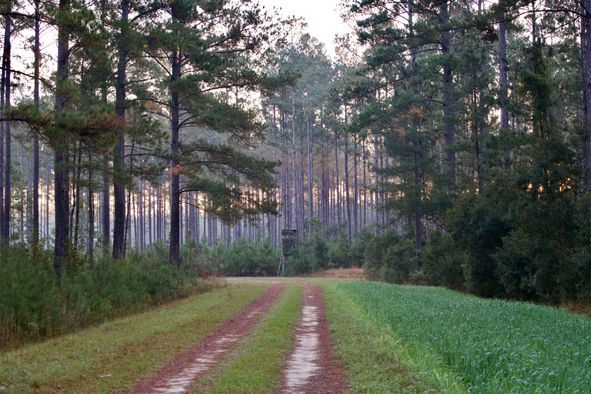
Greer sits on the Greenville–Spartanburg line in rolling Piedmont that flattens toward I-85 and the industrial belt. South and east of town, along Highway 101, Highway 290 and Brockman-McClimon, the ground is flat, sewered and priced for warehouses and subdivisions; that's the BMW and inland-port orbit. North of town, up Highway 14 and Highway 101 toward Lake Robinson, Lake Cunningham and the foothills, it turns back into pasture, hardwood and creek bottoms along the Enoree, the South Tyger and Brushy Creek, and the buyer turns back into a family or a farm. Soils are workable Piedmont clay for the most part, thinner as the ground climbs north.
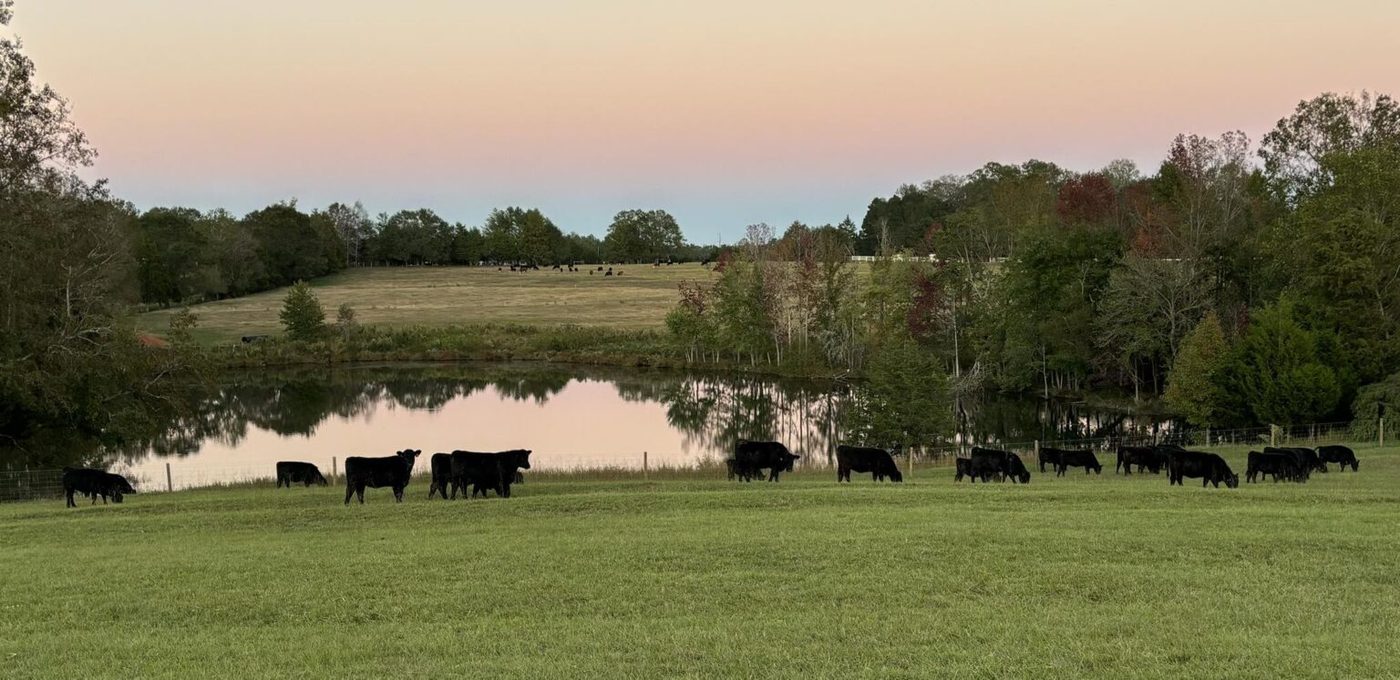
Around Greer the first question isn't what the land is worth per acre; it's who the buyer is. A flat, sewered, interstate-adjacent tract is an industrial site and trades on that basis. A sewered tract with frontage a few miles off the interstate is a subdivision. A tract up Highway 14 with a creek and a view is a homestead. All three exist within ten minutes of downtown, and they're priced on three different scales.
Two counties, one city, and annexation
Greer's city limits cover both sides of the county line, and the city annexes aggressively along its growth corridors, which is how most new projects come in. Outside the limits, the two counties run differently: Greenville County's side is mostly unzoned under its Land Development Regulations, and Spartanburg County's uses performance zoning through its ULMO, where road frontage (100, 75 or 50 feet per lot) and buffer standards do the work of a zoning map. A parcel that can be annexed into Greer gets city zoning and Greer CPW utilities, which is usually the higher-value path. We check the county, the annexation question and the utility reach before we talk numbers.
Sewer, septic and the perc test
Greer Commission of Public Works runs water, sewer and power for the city and a wide service area on both sides of the county line, with wastewater treated through ReWa, and that reach is why Greer has more builder-ready ground than most Upstate towns its size. Where CPW's mains run, a parcel is priced on lot yield or industrial use. North toward the foothills, the mains thin out and it's septic: the lot count is set by the South Carolina Department of Environmental Services' site evaluation, not acreage, and the clay gets tighter as the ground rises. A soil evaluation before you list or buy is the cheapest insurance in land.
Around Greer, three questions before price: is it flat enough and close enough to I-85 for an industrial user, can Greer CPW reach it, and would the city annex it. The first answer decides whether you're selling a warehouse site or a farm.
What's happening here
- Seventh-fastest-growing city in South Carolina. Greer grew 7.3% between July 2024 and July 2025, adding 3,412 residents, more people than any other Upstate city added.
- BMW and the port keep expanding. The plant, its suppliers, the inland port's rail volumes and GSP's cargo side all want land, and they want it flat and near the interstate.
- Residential follows the jobs. National builders have communities on every corridor out of town, with Highway 14 and Highway 101 the busiest.
- The north side is still farm country. Up toward the lakes and the foothills, growth is one house on a big tract, and the buyer wants the land to stay land.
What acreage is actually worth here
Greer's per-acre numbers depend on which of three markets a tract belongs to. The shape of it as we see it walking it in 2026:
Selling or buying land in Greer
If you're selling: we walk it, we figure out whether the best buyer is industrial or residential, we run the annexation and CPW questions, and we film it from the air so a site selector or a builder sees the tract and the interstate in one frame. Then we market it to the buyer it belongs to, and if it's both, we let them compete. If you're buying: before you close, know which county and which rules apply, whether Greer would annex it, how far CPW's main is, what a soil evaluation says on the north side, and what's in the floodplain along the Enoree, South Tyger or Brushy Creek. We check all of it, including on off-market tracts we source for builders, industrial users and investors.