
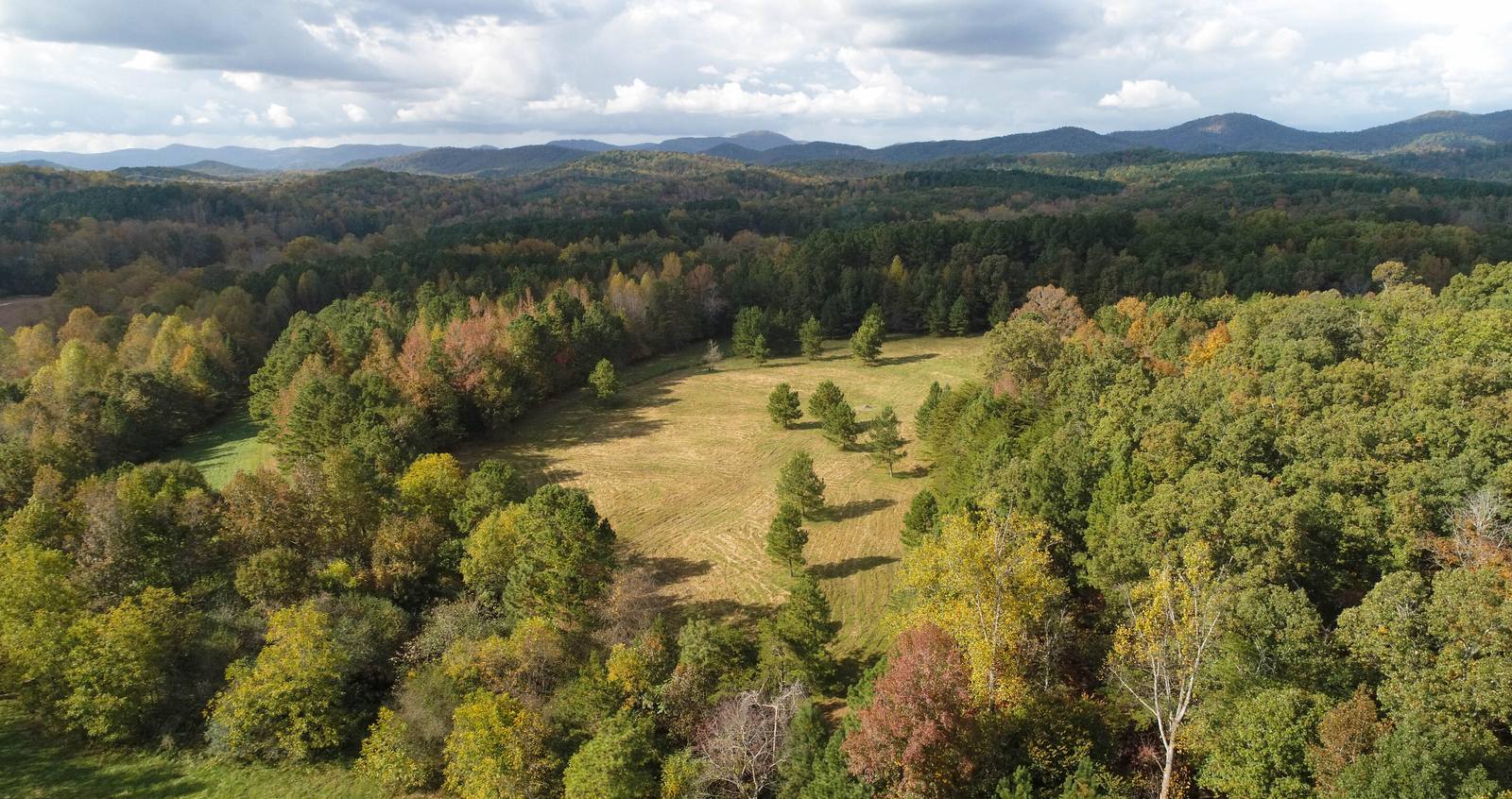
Simpsonville is the middle of the Golden Strip, and the Golden Strip is where Greenville County's growth went first. The city inside the limits has grown about 133% in two decades, Five Forks on the east side has a median household income more than twice the state's, and Fairview Road is a shopping center from I-385 to Highway 14. What that leaves for a landowner is the south and east edges, where the last open farms sit a mile from sewer and a builder's phone call away from being a subdivision. Those tracts get the highest numbers in Greenville County, and they deserve to be sold like it.
What the land is like here
Simpsonville sits on flat-to-rolling Piedmont in southern Greenville County, the easiest terrain in the county to grade and drain, which is why it went first. What's still open is south and east of town: pasture and hay ground along Harrison Bridge Road, Jonesville Road and West Georgia Road toward Fountain Inn and Fork Shoals, creek bottoms along Gilder Creek and the Reedy, and a few big family holdings that have outlasted three decades of offers. Soils are workable clay, and sewer reaches almost all of it. The north side is Five Forks: built out, expensive, and infill only.
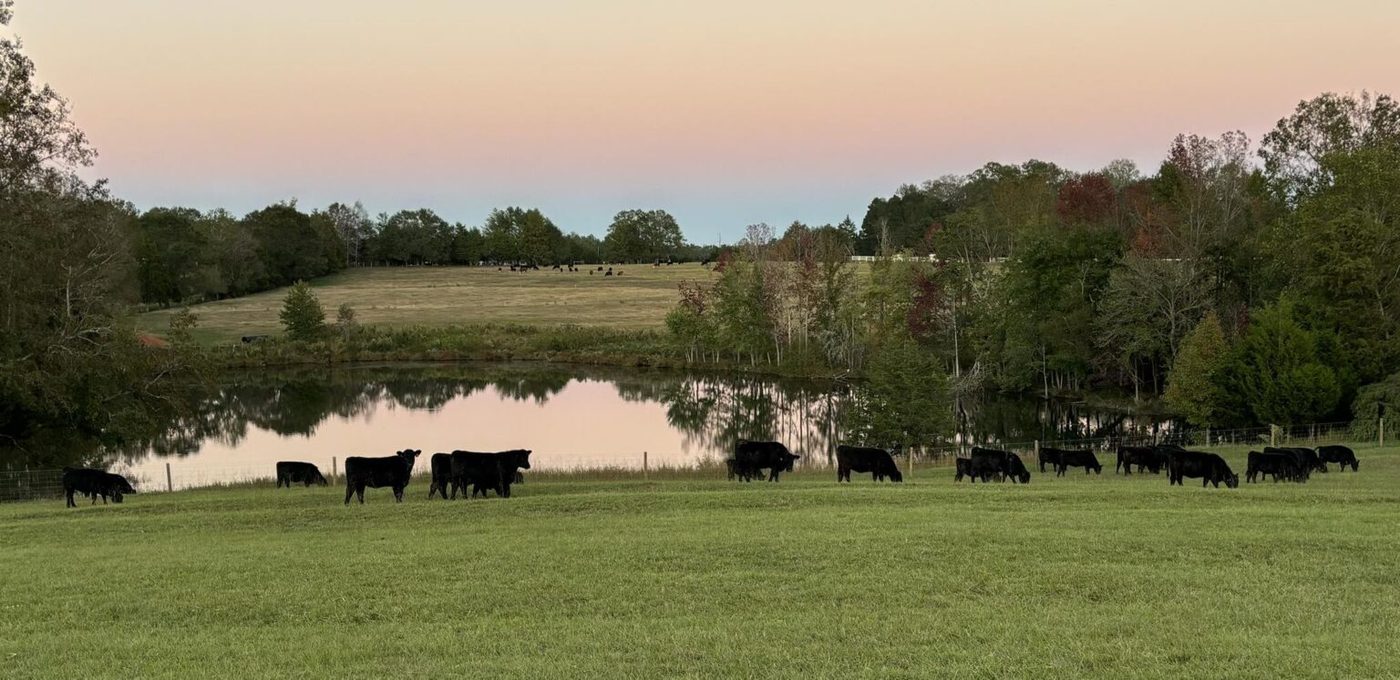
Around Simpsonville there is almost no such thing as a rural tract anymore; there are subdivision sites that haven't been subdivided yet. The city annexes readily, Metro sewer reaches nearly every road, and national builders are actively short on lots. A 40-acre farm here is priced on lot yield the day it lists, and the only questions are annexation, frontage and how many lots the layout supports.
City limits and county lines
Inside the city, Simpsonville has its own zoning and grows by annexation; most new communities come in that way, and a parcel adjoining the limits can usually be annexed and rezoned, which is the biggest single value swing in the area. Outside the limits, most ground sits in unzoned Greenville County under the Land Development Regulations, though some corridors toward Five Forks and Woodruff Road carry county zoning. The Laurens County line is close on the south side, and across it the rules and the sewer provider change. We pull every map before we talk numbers.
Sewer, septic and the perc test
Metro sewer and ReWa treatment reach nearly every corridor around Simpsonville, which is why the land is priced the way it is. Only the far south edge toward Fork Shoals still has real septic-served ground, and even there the main isn't far. Where a parcel is on sewer, it's priced on lot yield; where it isn't, the South Carolina Department of Environmental Services' site evaluation sets the count. A soil evaluation is still worth doing on any tract off the main, because a builder will.
Around Simpsonville, three questions before price: will the city annex it, how much frontage does it have, and how many lots does a workable layout yield after stormwater and buffers. The acreage is the fourth question.
What's happening here
- Downtown is reinventing itself. The Cotton Mill apartments on South Street, Burdette Central, the Main Street plaza. The town is becoming a place people want to live near, not just drive through.
- Fairview Road keeps filling. A 22.5-acre shopping center anchored by Aldi and the usual national tenants; the new Five Forks library. Commercial demand along the corridor is real and pays well for frontage.
- Builders are moving south. With Five Forks built out, the communities are going in along Harrison Bridge, Highway 14 and West Georgia Road toward Fountain Inn, and the price gap to Fountain Inn and Gray Court is what's driving them.
- Infill is its own market. Small parcels near downtown and Five Forks trade to townhome and small-builder developers at the highest per-acre numbers in the county.
What acreage is actually worth here
Simpsonville per-acre numbers are among the highest in Greenville County. The shape of the market as we see it walking it in 2026:
Selling or buying land in Simpsonville
If you're selling: we walk it, we run the annexation question and a lot-yield layout, we know which builders are buying on the Golden Strip and what they're paying, and we film it from the air so the buyer sees the whole tract and the road frontage in one frame. Then we run a sale that gets the builders competing, or, if that's not what you want for the land, we find the buyer who fits. If you're buying: before you close, know whether the parcel is in the city or the county, which side of the Laurens line it sits on, what a layout actually yields after stormwater and buffers, and what's in the floodplain along Gilder Creek or the Reedy. We check all of it, including on off-market parcels we source for builders.